
 Adrienne Blanier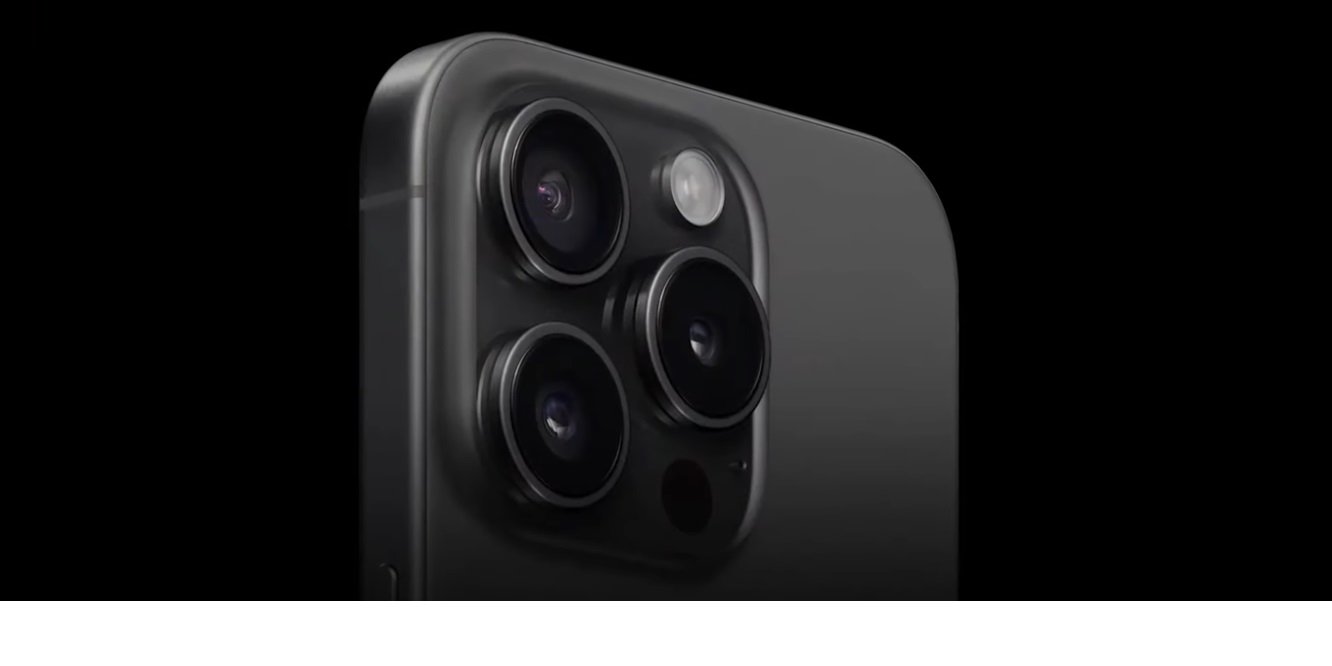
Slated for unveiling in the latter half of 2024, one of the key iPhone 16 rumors is the introduction of groundbreaking camera technology that could significantly enhance photographic capabilities. A recent leak has spotlighted the implementation of Atomic Layer Deposition (ALD) coating on the iPhone 16 Pro’s camera lenses. This advanced technology promises to revolutionize the photography experience by improving lens performance and image quality, positioning the iPhone 16 Pro as a potential game-changer in smartphone photography.
The latest buzz about the iPhone 16’s new camera enhancements particularly focuses on a new feature known as ALD (Atomic Layer Deposition) coating. This leak suggests that the iPhone 16 Pro will incorporate ALD coating on its camera lenses, an advancement aimed at significantly boosting image quality by enhancing light transmission and reducing unwanted artifacts such as lens flare and ghosting.
ALD is a thin-film deposition technique that allows for the precise application of materials at the atomic scale. This method involves the sequential use of chemical vapor processes to build extremely thin layers, one atom at a time. This enables precise control over thickness and composition, resulting in highly uniform coatings that are perfect for optical applications.
ALD coating can improve lens performance by minimizing reflections and aberrations, thus enhancing the overall clarity and color fidelity of photographs. This technological enhancement is expected to set a new standard in mobile photography, pushing the boundaries of what smartphone cameras can achieve.
How ALD Coating Works
Atomic Layer Deposition (ALD) is a coating process that involves the application of a thin film at the atomic level. It uses a series of chemical reactions to deposit layers of material sequentially. This method is highly controlled, allowing for films that are just a few atoms thick. ALD operates under a cyclic process, including the exposure of the surface to a precursor chemical, purging of excess precursor, introduction of a second chemical to react with the first, and another purging step to remove any byproducts. This cycle is repeated to achieve the desired coating thickness.
Benefits for Smartphone Photography
The ALD coating’s precise thickness and uniformity are crucial for optical applications like smartphone cameras. By enhancing the optical properties of lens elements, ALD reduces unwanted lens flare and ghosting effects—common issues that degrade photo quality in direct light situations. Furthermore, ALD improves the light transmission efficiency of lenses, ensuring that images captured are clearer and more detailed, with better color accuracy. This technology ensures that smartphone cameras can produce high-quality images even in challenging lighting conditions.
Comparison with Previous Technologies
Compared to previous camera technologies used in older iPhone models, ALD coating represents a significant advancement. Earlier models, such as those with sapphire lens covers, were primarily focused on scratch resistance and basic anti-reflective properties. While effective, these solutions did not specifically address the sophisticated optical needs required for superior image clarity and detail. ALD coatings, by contrast, provide a more targeted improvement in reducing optical aberrations and enhancing light management, setting a new benchmark in mobile photography that goes beyond the capabilities of traditional coatings used in past iPhone iterations.

 Ronald Uy
 Leah H. Blanchard
 Diane
Diane





0 Comments